Key Takeaways
- Meal planning saves an average of 3-5 hours per week and significantly reduces food waste, grocery spending, and daily decision fatigue.
- Start small: Planning just 3-4 meals per week is more sustainable than overhauling your entire diet overnight. Research indicates it takes an average of 66 days to form a new habit, so give yourself grace.
- Batch cooking is your secret weapon: Preparing proteins, grains, and vegetables in bulk on one day fuels an entire week of healthy eating.
- Systems beat motivation every time: Create repeatable processes — a weekly planning ritual, a go-to grocery list, a set prep day — rather than relying on willpower.
- Track your progress: 80% of people who track their progress report better outcomes. A simple meal planning journal or app can keep you accountable.
- Invest in the right tools: Quality containers, a sharp knife, and a few versatile kitchen appliances make prep dramatically faster.
- Flexibility is non-negotiable: The best meal plan is one you actually follow. Build in room for spontaneity, restaurant meals, and the occasional pizza night.
Introduction: Why Busy Professionals Need a Meal Planning Strategy
It's 6:47 PM on a Tuesday. You've just wrapped up your last meeting, your inbox is still overflowing, and the question hits you like it does every single night: What's for dinner?
If this sounds familiar, you're not alone. The average professional makes over 200 food-related decisions per day, and without a system in place, most of those decisions default to whatever is fastest — takeout, vending machines, or skipping meals entirely. The result? Poor nutrition, wasted money, and a nagging sense that you should be doing better.
Here's the good news: meal planning and prep isn't about becoming a gourmet chef or spending your entire Sunday in the kitchen. It's about creating a simple, repeatable system that puts healthy food within arm's reach, even on your most chaotic days.
Studies show that people who set specific goals — like planning their meals for the week — are 42% more likely to achieve them than those who rely on vague intentions like "I'll eat healthier." Meal planning transforms that vague intention into a concrete action plan.
This guide will walk you through everything you need to know: from building your first meal plan to mastering batch cooking, avoiding common pitfalls, and making the whole process feel effortless. Whether you're a complete beginner or someone who's tried and fallen off the wagon before, you'll find a practical, sustainable approach that fits your life — not the other way around.
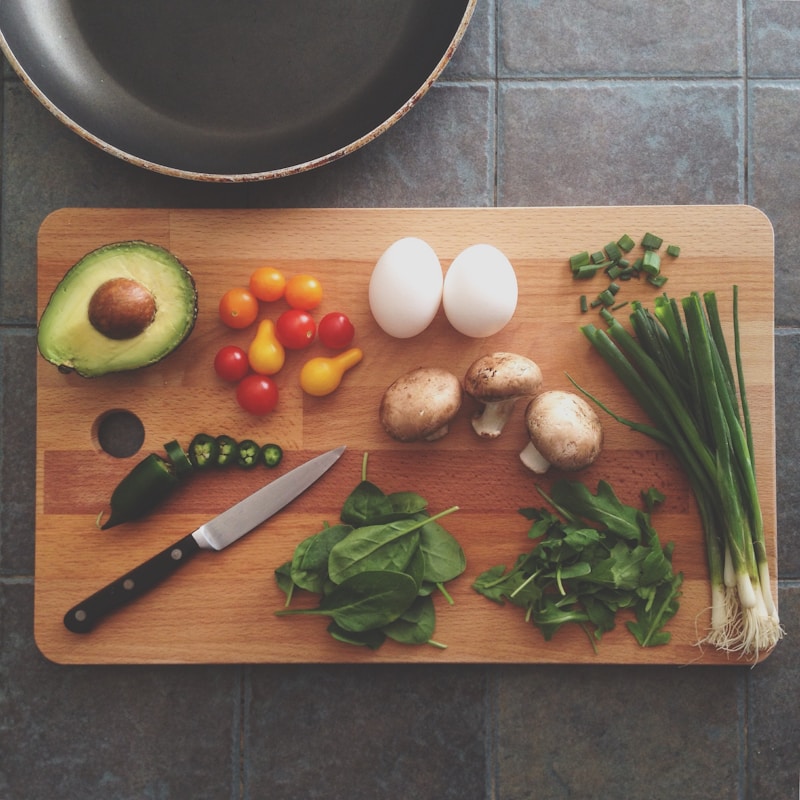
Section 1: The Real Benefits of Meal Planning (Beyond Just Saving Time)
Before diving into the how, let's get clear on the why. Understanding the full scope of benefits will fuel your commitment when the novelty wears off.
Financial Impact
The average American household spends over $3,500 per year on dining out. Meal planning can cut your food budget by 20-30% by reducing impulse purchases, minimizing food waste, and eliminating last-minute takeout orders. When you shop with a list built from a plan, every item has a purpose.
Health and Nutrition
When you plan your meals, you control the ingredients, portions, and nutritional balance. Research from multiple nutrition studies consistently shows that people who cook at home consume fewer calories, less sugar, and less sodium than those who eat out frequently. Meal planning makes home cooking the path of least resistance.
Mental Energy and Decision Fatigue
Decision fatigue is real. Every choice you make throughout the day depletes a finite pool of mental energy. By deciding what you'll eat at the beginning of the week, you free up cognitive resources for the decisions that actually matter — your work, your relationships, your creative projects. It's the same principle that led Steve Jobs to wear the same outfit every day: eliminate trivial decisions to focus on what counts.
Stress Reduction
The nightly "what's for dinner" panic is a surprisingly significant source of household stress. A meal plan eliminates that anxiety entirely. You know what you're eating, you have the ingredients, and the prep is either done or takes minimal effort. That predictability creates a sense of calm that ripples through your entire evening.
Time Savings
This is the headline benefit, and it's substantial. Professionals who meal prep consistently report saving 3-5 hours per week — time that would otherwise be spent on daily cooking, grocery runs, and the mental overhead of figuring out meals on the fly.
Section 2: Building Your First Meal Plan — A Step-by-Step Framework
The biggest mistake people make is trying to plan every single meal for an entire week on their first attempt. Remember: starting small and building gradually is more effective than trying to change everything at once.
Step 1: Audit Your Current Eating Habits
Before you plan where you're going, understand where you are. For one week, simply observe:
- How many meals do you eat out vs. cook at home?
- What meals cause the most stress (breakfast, lunch, dinner)?
- What foods do you already enjoy that are relatively healthy?
- How much are you spending on food weekly?
This isn't about judgment — it's about data. You need a baseline to build from.
Step 2: Choose Your Planning Scope
For beginners, I recommend starting with one of these approaches:
- Dinner only: Plan 4-5 dinners for the week. This addresses the highest-stress meal for most professionals.
- Lunch prep: Prepare 5 work lunches on Sunday. This is the highest-ROI starting point if you currently buy lunch every day.
- Breakfast automation: Choose 2-3 breakfasts and rotate them. Overnight oats, smoothie packs, and egg muffins are excellent options.
Don't try to plan all three simultaneously. Master one category, then expand.
Step 3: Select Your Recipes
When choosing recipes for your meal plan, apply the 3-3-3 rule:
- 3 ingredients or fewer in the seasoning or sauce
- 3 steps or fewer in the cooking process
- 30 minutes or fewer of active cooking time
This keeps things realistic. Save the elaborate recipes for weekends when you actually want to cook for enjoyment.
Pro tip: Build a rotating library of 10-15 meals your household enjoys. You don't need novelty every week — you need reliability. Most families naturally rotate through about 9 dinners anyway.
Step 4: Create Your Grocery List by Category
Organize your list by store section to minimize backtracking:
- Produce: Fresh fruits and vegetables
- Proteins: Meat, poultry, fish, tofu, legumes
- Dairy/Alternatives: Milk, cheese, yogurt
- Grains/Pantry: Rice, pasta, canned goods, spices
- Frozen: Frozen vegetables, fruits, pre-made items
Step 5: Schedule Your Prep Time
Treat meal prep like a meeting — put it on your calendar. Most people find Sunday afternoon works best, but choose whatever day gives you 1-2 uninterrupted hours. Some professionals split prep across two shorter sessions (Sunday and Wednesday evening).
Section 3: Mastering Meal Prep — Techniques That Actually Work
Meal prep is where planning turns into action. Here's how to make those 1-2 hours count.
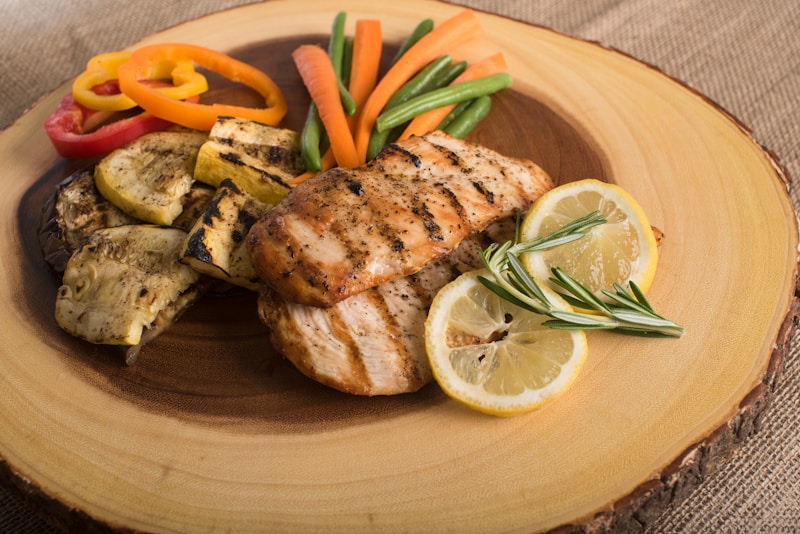
The Batch Cooking Method
This is the gold standard for busy professionals. Instead of cooking individual recipes, you prepare components in bulk:
- Pick 2 proteins: Grill chicken breasts and cook ground turkey simultaneously
- Make 2 grains: A pot of rice and a pot of quinoa
- Roast 3 vegetables: Sheet pan broccoli, sweet potatoes, and bell peppers
- Prepare 1-2 sauces: A simple vinaigrette and a teriyaki or pesto
With these components, you can mix and match throughout the week to create varied meals without cooking from scratch each day. Monday might be chicken over rice with teriyaki and broccoli. Tuesday becomes a quinoa bowl with turkey, roasted peppers, and vinaigrette. Same prep, completely different meals.
The Freezer Strategy
Your freezer is an underutilized asset. These items freeze exceptionally well:
- Soups and stews (freeze in individual portions)
- Marinated raw proteins (thaw overnight for next-day cooking)
- Cooked grains (rice, quinoa — freeze flat in bags for quick thawing)
- Smoothie packs (pre-portioned fruits and greens in bags — just add liquid and blend)
- Breakfast burritos and egg muffins
Dedicate one prep session per month to building your freezer stockpile. Future-you will be deeply grateful.
The "Semi-Homemade" Approach
There's no shame in using shortcuts. In fact, strategically combining prepared ingredients with fresh ones is one of the smartest moves a busy professional can make:
- Rotisserie chicken + homemade salad + store-bought grain = complete meal in 10 minutes
- Pre-cut stir-fry vegetables + your own sauce + quick-cook noodles = faster than ordering delivery
- Canned beans + canned tomatoes + spices = hearty chili with 5 minutes of active work
The goal isn't culinary perfection. The goal is consistent, nutritious eating with minimal friction.
Essential Tools That Speed Up Prep
You don't need a fully stocked kitchen, but these items pay for themselves quickly:
- Quality glass containers (various sizes, microwave and dishwasher safe)
- A sharp chef's knife (the single most important kitchen tool)
- Sheet pans (for roasting large batches of vegetables and proteins)
- A slow cooker or Instant Pot (set it and forget it while you handle other prep)
- A food scale (optional, but helpful if you're tracking macros or portions)
- Reusable silicone bags (for freezer storage and marinating)
Section 4: Creating Systems That Stick
Here's a truth that transforms everything: create systems rather than relying on motivation. Motivation is a feeling — it comes and goes. Systems are structures that work whether you feel inspired or not.
The Weekly Planning Ritual
Designate a specific time each week (Friday evening or Saturday morning works well) for a 15-minute planning session:
- Review your calendar for the upcoming week (late meetings, social events, travel)
- Check what's already in your fridge, freezer, and pantry
- Select meals based on your schedule's demands (busy nights get the easiest meals)
- Write your grocery list
- Place a grocery pickup or delivery order (if available in your area)
That's it. Fifteen minutes of planning saves hours of execution.
The Accountability Factor
Having support and accountability significantly increases success rates. Consider these approaches:
- Meal prep with a friend or partner: Turn prep into a social activity. You'll move faster, enjoy the process more, and hold each other accountable.
- Join an online community: Subreddits, Facebook groups, and Discord servers dedicated to meal prep provide inspiration, recipes, and encouragement.
- Share your plan: Simply telling someone what you plan to eat this week creates a subtle accountability loop. Find an accountability partner who is also working on improving their nutrition.
- Track your wins: Use a simple habit tracker (a spreadsheet, an app, or even a wall calendar with checkmarks) to log each day you eat according to your plan.
Building Flexibility Into Your System
Rigid plans break. Flexible systems bend. Build these pressure valves into your plan:
- One "wildcard" night per week: No plan, no rules. Eat out, order in, or cook whatever sounds good.
- A backup meal always available: Keep ingredients for one ultra-simple meal (pasta with jarred sauce, frozen stir-fry, eggs and toast) for the nights when plans fall apart.
- Permission to swap days: If Wednesday's planned salmon dinner doesn't appeal to you, swap it with Thursday's chicken. The plan serves you, not the other way around.
Section 5: Common Mistakes to Avoid
After helping countless professionals build sustainable meal planning habits, these are the pitfalls I see most often:
Mistake 1: Planning Too Many New Recipes
The fix: In any given week, include no more than one new recipe. The rest should be meals you've made before and know you enjoy. Novelty is the enemy of consistency when you're building a habit.
Mistake 2: Ignoring Your Actual Schedule
Planning a 45-minute recipe for a Tuesday when you have back-to-back meetings until 7 PM is setting yourself up to fail.
The fix: Match meal complexity to your daily energy and time. Mondays and Tuesdays (typically the busiest days) get the simplest meals or pre-prepped options. Lighter days get the meals that require more active cooking.
Mistake 3: Not Accounting for Leftovers
The fix: Intentionally plan for leftovers. When you cook, make 1.5-2x what you need. Tuesday's dinner becomes Wednesday's lunch. This isn't lazy — it's strategic.
Mistake 4: Overcomplicating the Process
Color-coded spreadsheets, elaborate macro calculations, and Pinterest-perfect containers aren't necessary — at least not in the beginning.
The fix: Start with a sticky note on your fridge with five dinner ideas and a grocery list. You can optimize later. The best system is the one you'll actually use.
Mistake 5: Giving Up After One Bad Week
You will have weeks where the plan falls apart. Life happens. This does not mean meal planning doesn't work for you.
The fix: Remember that it takes an average of 66 days to form a new habit. One bad week out of nine is a 90% success rate. Be patient — lasting change takes time. Just start fresh the next week without guilt or self-judgment.
Mistake 6: Neglecting Snacks
You plan breakfast, lunch, and dinner beautifully — then hit the vending machine at 3 PM because you're starving.
The fix: Include snacks in your prep. Portioned nuts, cut vegetables with hummus, Greek yogurt cups, fruit, and protein bars are all easy to prepare in advance and keep at your desk.
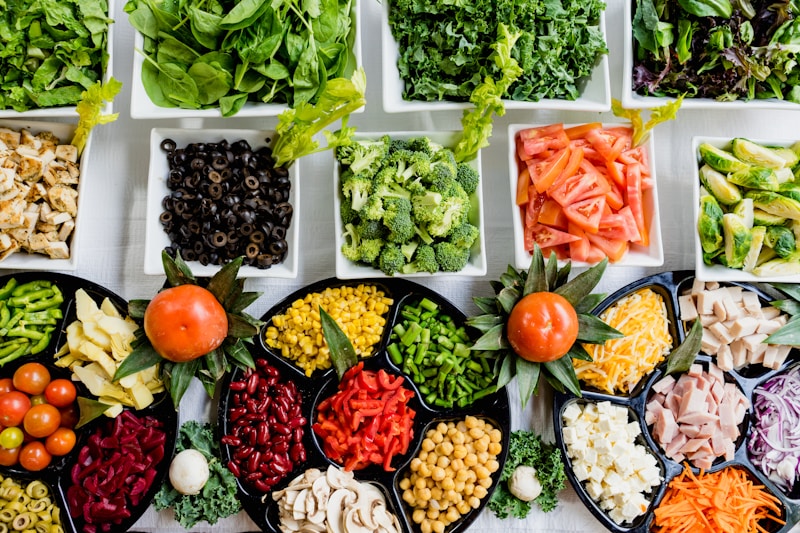
Section 6: Getting Started — Your First Week Action Plan
Theory is worthless without action. Here's exactly what to do this week to begin your meal planning journey.
Day 1 (Saturday or Sunday): Plan
- Choose 3 dinners for the upcoming week (use recipes you already know)
- Choose 1 lunch option to prep in bulk (grain bowls, salads, or wraps work well)
- Write a grocery list organized by store section
- Go shopping (or place a pickup/delivery order)
Time investment: 30 minutes
Day 2 (Sunday): Prep
- Cook one protein in bulk (e.g., bake 2 lbs of chicken thighs)
- Prepare one grain (e.g., cook a large pot of rice)
- Wash, chop, and store vegetables for the week
- Portion out 5 lunches into containers
- Prepare 2-3 snack portions
Time investment: 60-90 minutes
Days 3-7 (Monday through Friday): Execute
- Each morning, grab your prepped lunch and snacks
- Each evening, assemble dinner using your prepped components (10-20 minutes max)
- Note what worked and what didn't on a sticky note or in your phone
Day 8 (Next Weekend): Evaluate and Iterate
- Review your notes from the week
- Adjust next week's plan based on what you learned
- Add one more meal to your plan if the first week felt manageable
The key principle: start with small, manageable steps. You can always add complexity later. Right now, the only goal is to complete one successful week.
Frequently Asked Questions
How long does it take to see results with meal planning?
Most people notice immediate benefits in the first week — less stress at dinnertime, fewer impulsive food purchases, and a general sense of control. Tangible health improvements (more energy, better digestion, potential weight changes) typically become noticeable within 2-4 weeks of consistent meal planning. Financial savings usually become clear by the end of the first full month when you compare your grocery and dining-out spending. Remember, studies show it takes about 66 days to form a new habit, so commit to at least 8-10 weeks before evaluating whether the practice truly works for you.
What are the most common mistakes people make?
The biggest mistake is trying to do too much too soon — planning every meal, trying five new recipes, and buying elaborate containers all in the first week. This leads to overwhelm and burnout. Other common mistakes include not accounting for busy nights in your schedule, forgetting to plan snacks, making meals you don't actually enjoy (just because they're "healthy"), and not building in flexibility for social meals or spontaneous plans. See the Common Mistakes section above for detailed fixes.
How do I stay motivated?
Here's the honest answer: don't rely on motivation. Instead, build systems. Schedule your planning and prep sessions like non-negotiable meetings. Make your grocery list a template you refine each week rather than creating from scratch. Keep your prep supplies organized and accessible. When motivation does dip — and it will — your systems carry you through. Additionally, tracking your progress helps enormously. People who track their habits report better outcomes 80% of the time. Even a simple checkmark on a calendar each day you follow your plan creates a visual streak you won't want to break.
What resources do I need to get started?
The minimum viable setup is surprisingly simple:
- A way to write things down (paper, phone app, or spreadsheet for your plan and grocery list)
- 5-10 food storage containers (glass is ideal, but any microwave-safe option works)
- A single sheet pan and a large pot (for batch roasting and cooking grains)
- A sharp knife and cutting board
- About $50-75 for your first grocery run (varies by location and dietary preferences)
You do not need a meal planning app, an Instant Pot, a vacuum sealer, or matching containers to start. Add tools as you identify genuine needs, not before.
How do I know if I'm making progress?
Track these simple metrics:
- Meals cooked vs. eaten out per week (aim to shift the ratio gradually)
- Weekly food spending (should trend downward over 4-6 weeks)
- Prep completion rate (did you follow through on your planned prep session?)
- Subjective well-being (energy levels, stress around meals, satisfaction with your eating)
Don't aim for perfection. If you planned 5 home-cooked dinners and hit 3, that's progress. If you prepped lunches for the first time ever and ate them 4 out of 5 days, that's a win. Progress, not perfection, is the metric that matters.
Conclusion: Your Next Steps
Meal planning and prep isn't a diet, a fad, or an all-or-nothing commitment. It's a practical skill that, once developed, pays dividends every single week for the rest of your life — in time saved, money kept, health improved, and stress eliminated.
The professionals who succeed with meal planning share one trait: they started before they felt ready. They didn't wait for the perfect app, the perfect set of containers, or the perfect week with no social obligations. They picked three meals, wrote a list, and went shopping.
Here's your challenge: this weekend, plan and prep just three meals for next week. That's it. Not a full week. Not a month. Three meals. Complete that, evaluate what worked, and build from there.
Remember that people who set specific goals are 42% more likely to achieve them. So right now, before you close this article, decide:
- Which three meals will you plan?
- When will you shop?
- When will you prep?
Write those answers down. Put the prep session on your calendar. Tell someone about your plan.
The gap between where you are and where you want to be isn't knowledge — you have everything you need right here. The gap is action. Start small, build systems, track your progress, and be patient with yourself.
Your future self — the one eating a home-prepped lunch while colleagues wait in line for overpriced salads — will thank you.
References
-
Comprehensive Guide to Meal Planning and Prep for Busy Professionals — Healthline. Expert advice on building sustainable meal planning habits.
-
Meal Planning and Prep: What Research Says — Psychology Today. Psychological research on habit formation and behavioral change in nutrition.
-
The Science Behind Meal Planning and Prep — Scientific American. Scientific perspective on nutrition, decision fatigue, and meal planning efficacy.
-
Meal Planning Best Practices for Professionals — Harvard Business Review. Professional insights on optimizing nutrition alongside demanding careers.
-
Getting Started with Meal Planning and Prep — Verywell Mind. A beginner-friendly guide to building meal planning as a sustainable habit.