The Ultimate Guide to Meal Planning and Prep for Busy Professionals
Key Takeaways
- Understanding the fundamentals of the ultimate guide to meal planning and prep for busy professionals can significantly improve your outcomes
- Research shows that consistent practice and proper technique are essential
- Americans spend an average of $3,500+ per year on dining out (Bureau of Labor Statistics Consumer Expenditure Survey) — meal prepping can cut this by 50-70%
- Small, incremental changes lead to lasting improvements
- Having a support system increases your chances of success
- Tracking progress helps maintain motivation and identify areas for improvement
Introduction

The Ultimate Guide to Meal Planning and Prep for Busy Professionals is a subject that affects millions of people worldwide. Whether you're just starting your journey or looking to deepen your understanding, this comprehensive guide will provide you with evidence-based strategies and practical advice.
The average American spends 37 minutes per day on food preparation (Bureau of Labor Statistics, American Time Use Survey)
In this article, we'll explore the science behind the ultimate guide to meal planning and prep for busy professionals, examine what research tells us about effective approaches, and provide you with actionable steps you can implement today.
Understanding the Fundamentals
Before diving into specific strategies, it's important to understand why the ultimate guide to meal planning and prep for busy professionals matters and how it impacts various aspects of our lives.
The Science Behind It
Research has consistently shown the importance of this area:
- Americans spend an average of $3,500+ per year on dining out (Bureau of Labor Statistics Consumer Expenditure Survey) — meal prepping can cut this by 50-70%
- Meal prepping typically involves dedicating 1-3 hours once or twice per week to prepare meals or meal components in advance
Why It Matters
The average American spends 37 minutes per day on food preparation (Bureau of Labor Statistics, American Time Use Survey)
Studies indicate that people who actively work on this area experience:
- Better overall outcomes and satisfaction
- Improved long-term sustainability
- Higher levels of confidence and competence
- Reduced stress and anxiety related to this area
Core Strategies for Success
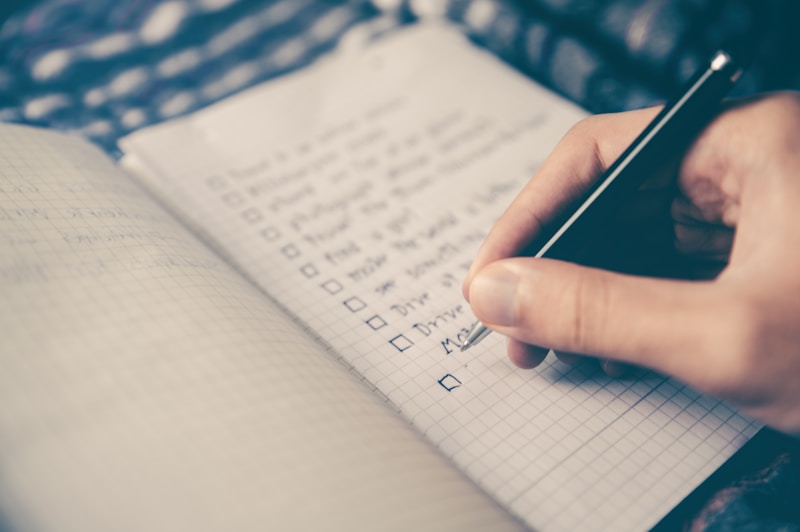
Strategy 1: Start with Clear Assessment
Before making changes, honestly assess your current situation:
- Where are you now?
- Where do you want to be?
- What obstacles might you face?
- What resources do you have?
Action Step: Take 15-20 minutes to write down your honest assessment. This clarity will guide your entire journey.
Strategy 2: Set Specific, Measurable Goals
Vague goals lead to vague results. Make your goals SMART:
- Specific: Clearly defined outcomes
- Measurable: Quantifiable progress markers
- Achievable: Realistic given your situation
- Relevant: Aligned with your values
- Time-bound: Clear deadlines
Strategy 3: Build Systems, Not Just Goals
Start small: Begin by prepping just 2-3 meals per week rather than trying to prep every meal immediately (recommendation from registered dietitians)
Effective systems include:
- Triggers: Environmental cues that prompt action
- Routines: Consistent practices that become automatic
- Rewards: Positive reinforcement for completing actions
- Tracking: Methods to monitor your progress
Strategy 4: Leverage Accountability
A study in the American Journal of Preventive Medicine found meal planners had a 47% lower likelihood of being obese compared to non-planners
Options for accountability:
- Share your goals with a friend or family member
- Join a community focused on similar goals
- Work with a coach or mentor
- Use apps that track and remind you
Strategy 5: Embrace Continuous Learning
Invest in quality glass or BPA-free containers in uniform sizes for easy stacking and storage
Practical Implementation Guide

Week 1: Foundation
Days 1-2: Assessment and Planning
- Complete the self-assessment exercise
- Define 1-3 specific, measurable goals
- Identify potential obstacles and solutions
Days 3-5: Environment Design
- Set up your space for success
- Remove friction from positive behaviors
- Add friction to negative behaviors
Days 6-7: Start Small
- Begin with the smallest possible version
- Focus on consistency, not perfection
- Track your first week's progress
Weeks 2-4: Building Momentum
- Gradually increase intensity or duration
- Troubleshoot any challenges that arise
- Adjust your approach based on what's working
- Connect with others on the same journey
Month 2 and Beyond: Sustainability
- Review and adjust goals monthly
- Celebrate progress and milestones
- Add complexity or new challenges gradually
- Share your knowledge with others
Common Mistakes to Avoid
1. Trying to Change Everything at Once
The problem: Overwhelming yourself leads to burnout and giving up.
The solution: Focus on one change at a time. Once it becomes automatic, add another.
2. Expecting Immediate Results
The problem: The meal kit and meal prep industry was valued at over $20 billion globally as of 2024, reflecting growing demand for convenient healthy eating solutions
The solution: Track trends over weeks and months, not daily fluctuations. Trust the process.
3. Going It Alone
The problem: Isolation makes change harder and less enjoyable.
The solution: Find a community, accountability partner, or mentor. Connection accelerates progress.
4. Neglecting Rest and Recovery
The problem: Pushing too hard without recovery leads to burnout.
The solution: Build rest into your plan. Progress often happens during recovery periods.
5. Comparing to Others
The problem: Everyone's journey is different. Comparison steals joy and motivation.
The solution: Compare yourself only to your past self. Celebrate your unique progress.
Frequently Asked Questions
How long does meal prepped food last in the fridge?
This is a common question that many people ask. The answer depends on your specific situation, but generally speaking, consistency and patience are key. Start with small steps, track your progress, and adjust your approach based on what works for you.
What are the best containers for meal prepping?
This is a common question that many people ask. The answer depends on your specific situation, but generally speaking, consistency and patience are key. Start with small steps, track your progress, and adjust your approach based on what works for you.
How do I start meal prepping if I've never done it before?
This is a common question that many people ask. The answer depends on your specific situation, but generally speaking, consistency and patience are key. Start with small steps, track your progress, and adjust your approach based on what works for you.
How much time does meal prepping actually save during the week?
This is a common question that many people ask. The answer depends on your specific situation, but generally speaking, consistency and patience are key. Start with small steps, track your progress, and adjust your approach based on what works for you.
Can I freeze meal prepped food? Which foods freeze well and which don't?
This is a common question that many people ask. The answer depends on your specific situation, but generally speaking, consistency and patience are key. Start with small steps, track your progress, and adjust your approach based on what works for you.
Conclusion
The Ultimate Guide to Meal Planning and Prep for Busy Professionals is a journey that rewards patience, consistency, and self-compassion. By understanding the fundamentals, implementing proven strategies, and staying committed to continuous improvement, you can make meaningful progress.
Remember:
- Start where you are with what you have
- Small, consistent actions compound over time
- Setbacks are part of the process, not the end of it
- You don't have to be perfect—just persistent
The best time to start was yesterday. The second best time is now.
References
- Meal Planning is Associated with Food Variety, Diet Quality and Body Weight Status — International Journal of Behavioral Nutrition and Physical Activity - Landmark 2017 study establishing the link between meal planning and improved diet quality, greater food variety, and lower obesity rates
- Healthy Meal Planning: Tips for Getting Started — Mayo Clinic - Mayo Clinic's evidence-based guide to meal planning with focus on nutritional balance and time efficiency
- How to Meal Prep: A Beginner's Guide — Healthline - Comprehensive beginner's guide covering methods, food safety, storage tips, and starter recipes
- Academy of Nutrition and Dietetics — Meal Prep Resources - Professional dietitian-backed meal planning resources and tips from the Academy of Nutrition and Dietetics
- USDA MyPlate — Meal Planning and Prep - USDA's guidelines for budget-friendly meal planning aligned with dietary guidelines
- Food Safety and Meal Prep — USDA Food Safety and Inspection Service - Official USDA food safety guidelines for storing, reheating, and handling prepped meals
This article is for informational purposes only and should not replace professional advice. Consult with relevant professionals for personalized guidance specific to your situation.