Key Takeaways
- Diets don't work long-term: 95% of diets fail within 1–5 years, with most people regaining the weight — and often more. Sustainable health comes from consistent habits, not short-term restriction.
- Add before you subtract: Focus on incorporating more whole foods, vegetables, and home-cooked meals rather than eliminating food groups. An abundance mindset naturally crowds out less nutritious choices.
- Listen to your body: Intuitive and mindful eating practices are backed by over 200 peer-reviewed studies and can reduce binge eating by 50–60%.
- Aim for progress, not perfection: The 80/20 approach — nutrient-dense foods most of the time with room for enjoyment — is more sustainable than any rigid plan.
- Diversity is key: Eating 30+ different plant foods per week supports a thriving gut microbiome and overall health.
- Your relationship with food matters: Orthorexia (obsessive "healthy" eating) affects 1–7% of people. If food rules cause anxiety, it's time to reassess.
- Cook more, stress less: People who cook at home 5+ times per week consume roughly 140 fewer calories daily — without even trying.
Introduction: The Diet Trap Nobody Talks About
Every January, millions of people declare this will be the year they finally "eat right." They download calorie-counting apps, swear off carbs, or commit to whatever trending diet dominates social media. The $254 billion global diet industry is more than happy to fuel this cycle.
But here's the uncomfortable truth: approximately 95% of diets fail within one to five years, with two-thirds of dieters regaining more weight than they lost. That's not a failure of willpower — it's a failure of the approach itself.
The landmark 2007 UCLA meta-analysis by Traci Mann and colleagues, published in American Psychologist, examined 31 long-term studies on dieting and concluded that dieting is a consistent predictor of future weight gain — not loss. Meanwhile, approximately 45 million Americans go on a diet each year, collectively spending $33 billion on weight loss products, according to Boston Medical Center.
Something doesn't add up.
This guide offers a different path. Instead of another set of rigid food rules, you'll find evidence-based strategies for building a genuinely healthy, satisfying, and sustainable way of eating — one that nourishes your body without consuming your mental energy. Whether you're recovering from years of yo-yo dieting or simply want to eat better without the stress, the science is clear: the healthiest relationship with food is one that doesn't feel like a battle.
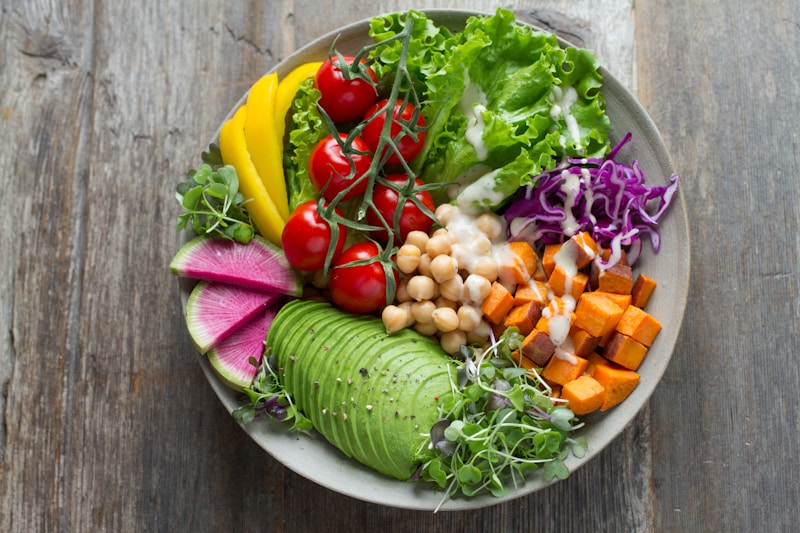
Why Diets Fail — And What Actually Works
The Biology of Restriction
When you dramatically cut calories, your body doesn't know the difference between a diet and a famine. It responds by:
- Increasing ghrelin (the hunger hormone), making you feel ravenous
- Decreasing leptin (the satiety hormone), making it harder to feel full
- Raising cortisol levels — the stress hormone that paradoxically promotes fat storage, especially around the midsection
- Slowing your metabolic rate to conserve energy
This biological backlash is why willpower alone can't overcome chronic restriction. Your body is doing exactly what it's designed to do: protect you from starvation.
Research also shows that weight cycling (yo-yo dieting) is associated with increased cardiovascular risk, independent of body weight. In other words, the repeated gain-loss cycle may be more damaging to your health than carrying stable extra weight.
The Psychological Cost
Chronic dieting is associated with a 2–3x increased risk of developing an eating disorder, according to the National Eating Disorders Association. Even without reaching clinical levels, the constant mental arithmetic of restriction — counting, measuring, labeling foods as "good" or "bad" — takes a measurable toll on quality of life.
The alternative isn't dietary chaos. It's learning to eat in a way that's guided by both nutrition science and your own body's signals.
What the Research Supports Instead
The USDA Dietary Guidelines for Americans (2020–2025) have shifted toward a pattern-based approach to nutrition. Rather than fixating on specific nutrients or forbidden foods, the emphasis is on the overall quality of your eating pattern over time. This aligns with decades of research showing that consistency and flexibility outperform rigidity and restriction for long-term health outcomes.
Understanding Intuitive and Mindful Eating
What Is Intuitive Eating?
Intuitive eating is a self-care framework developed by registered dietitians Evelyn Tribole and Elyse Resch in 1995. It consists of 10 principles designed to help people rebuild trust with their bodies and break free from chronic dieting. These include rejecting the diet mentality, honoring hunger and fullness, making peace with food, and discovering the satisfaction factor.
This isn't just feel-good philosophy. Over 200 peer-reviewed studies support intuitive eating, showing improved outcomes across multiple health markers. Research by Tylka and Kroon Van Diest (2013) found that intuitive eaters have 74% lower odds of disordered eating behaviors compared to non-intuitive eaters. They also tend to have lower blood pressure, improved cholesterol levels, and better psychological well-being.
What Is Mindful Eating?
While intuitive eating is a broader framework addressing your entire relationship with food, mindful eating is a specific practice focused on the experience of eating. It involves:
- Paying full attention to the taste, texture, and aroma of food
- Eating without distractions (screens, driving, working)
- Noticing hunger and fullness cues without judgment
- Recognizing emotional triggers for eating
Clinical trials have demonstrated that mindful eating reduces binge eating episodes by 50–60%. People who practice mindful eating also report a 25–40% reduction in emotional eating episodes, according to research published in the Journal of Behavioral Medicine.
How to Start Practicing Both
- Before eating, pause: Ask yourself, "Am I physically hungry, or am I eating for another reason?" Both are okay — the awareness is what matters.
- Use a hunger scale: Rate your hunger from 1 (starving) to 10 (uncomfortably full). Aim to eat at around 3–4 and stop at around 6–7.
- Eat at a table without screens: It takes approximately 20 minutes for your brain to register fullness. Slowing down gives your body time to communicate.
- Remove moral labels from food: Food isn't "good" or "bad." Some foods are more nutrient-dense, and some are more about pleasure — both have a legitimate place.
- Give yourself unconditional permission to eat: Paradoxically, when all foods are allowed, the frantic urgency around "forbidden" foods diminishes.
Building a Balanced Plate — Without the Obsession
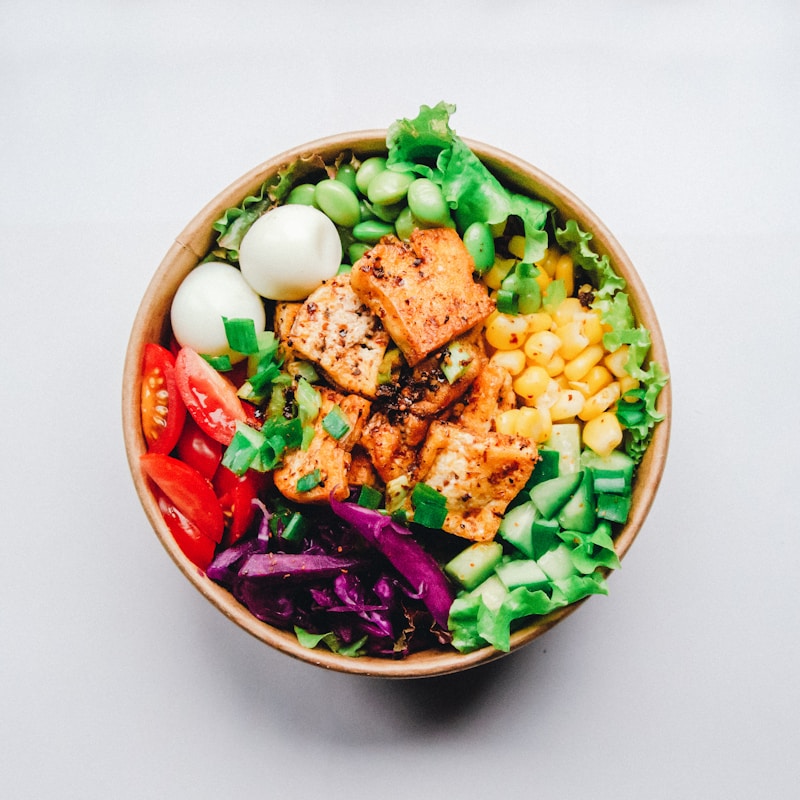
The Plate Method: Simple and Effective
Forget calorie counting. The plate method gives you a visual framework that's easy to remember and flexible enough for any cuisine:
- Half your plate: Vegetables and fruits
- One quarter: Protein (chicken, fish, beans, tofu, eggs)
- One quarter: Whole grains or starchy foods (brown rice, quinoa, whole-wheat pasta, sweet potatoes)
- A serving of healthy fats: Olive oil, avocado, nuts, seeds
This approach, championed by the Harvard T.H. Chan School of Public Health's Healthy Eating Plate, provides balanced nutrition without requiring measurement or tracking.
The Power of "Adding In"
One of the most effective mindset shifts is moving from restriction to addition. Instead of asking "What should I cut out?", ask "What can I add in?"
- Add a handful of spinach to your morning smoothie
- Include a side of roasted vegetables with dinner
- Toss nuts or seeds onto your salad
- Swap one processed snack for a piece of fruit with nut butter
This abundance mindset naturally crowds out less nutritious choices over time — without triggering the deprivation response that comes with restriction.
The World Health Organization recommends eating at least 400g (5 portions) of fruits and vegetables per day to reduce the risk of chronic diseases. Yet only 1 in 10 U.S. adults currently meet federal fruit and vegetable intake recommendations. The gap isn't usually about knowledge — it's about making whole foods convenient and appealing.
Protein and Fiber: Your Satiety Allies
Including protein and fiber at every meal stabilizes blood sugar and maintains sustained energy levels. This isn't about rigid macronutrient targets — it's about practical satiety:
- Breakfast: Greek yogurt with berries and oats (protein + fiber)
- Lunch: Bean soup with whole-grain bread and a salad (protein + fiber)
- Dinner: Grilled salmon with quinoa and roasted broccoli (protein + fiber)
- Snack: Apple slices with almond butter (fiber + protein + healthy fats)
When you're genuinely satisfied after meals, the urge to graze or emotionally eat naturally decreases.
Feed Your Gut: The 30-Plant Challenge
Research from the American Gut Project demonstrates that people who eat 30 or more different plant foods per week have significantly more diverse gut microbiomes than those who eat fewer than 10. A diverse microbiome is linked to improved immune function, better mental health, reduced inflammation, and healthier weight management.
This sounds ambitious, but "plant foods" include fruits, vegetables, whole grains, legumes, nuts, seeds, herbs, and spices. A stir-fry alone might include 8–10 different plants. A varied diet is a healthy diet — and it's far more enjoyable than eating the same "clean" meals on repeat.
The 80/20 Approach: Flexibility Without Guilt
What It Looks Like in Practice
The 80/20 approach means aiming for nutrient-dense foods about 80% of the time while allowing flexibility for enjoyment foods the other 20%. This isn't a precise calculation — it's a philosophy.
In a given week, it might look like:
- Weekday lunches: Home-prepared meals with plenty of vegetables and lean protein
- Friday dinner: Pizza with friends — enjoyed fully, no guilt
- Saturday breakfast: Pancakes with the family
- Sunday meal prep: A batch of soup and pre-chopped vegetables for the week ahead
Research shows that food variety within meals increases satisfaction and reduces overeating by up to 20%, according to the American Journal of Clinical Nutrition. When you allow yourself to enjoy food, you eat more moderately — because there's no scarcity driving you to overconsume.
Why Ultra-Processed Foods Deserve Attention (Not Fear)
Ultra-processed foods make up nearly 60% of the average American's caloric intake, according to research published in BMJ Open (2023). These include packaged snacks, sugary drinks, fast food, and many convenience items.
The goal isn't to eliminate these entirely — that approach tends to backfire. Instead, aim to gradually increase the proportion of whole and minimally processed foods in your diet. Practical steps:
- Cook at home more often. Adults who cook at home 5+ times per week consume approximately 140 fewer calories daily compared to those who cook less frequently, according to research from Johns Hopkins Bloomberg School of Public Health.
- Keep convenient whole foods accessible: pre-washed salad greens, canned beans, frozen vegetables, rotisserie chicken
- When you do choose packaged foods, you don't need to agonize — just make the less processed option when it's equally convenient
Staying Hydrated
Thirst is frequently confused with hunger. Aim for 8–10 cups of water daily, adjusting for activity level, climate, and individual needs. Keeping a water bottle visible serves as an easy reminder. Herbal teas, water-rich fruits, and soups all contribute to hydration.
Practical Strategies: Getting Started This Week
Meal Planning Without Rigidity
Plan meals loosely rather than rigidly. Having a general framework for the week reduces decision fatigue without creating anxiety around food.
- Sunday: Spend 20 minutes sketching out rough dinner ideas for the week
- Shop with a list but stay flexible — if something looks fresh and appealing at the market, adjust
- Batch-prep components, not complete meals: cook a grain, roast a tray of vegetables, prepare a protein. Mix and match throughout the week.
- Shop the perimeter of the grocery store first, where whole foods like produce, proteins, and dairy are typically located
The Sleep-Nutrition Connection
Get adequate sleep (7–9 hours for adults). This isn't just generic health advice — sleep deprivation directly impacts eating behavior by increasing ghrelin (hunger hormone) and decreasing leptin (satiety hormone), leading to increased cravings, particularly for high-calorie, high-carbohydrate foods. Prioritizing sleep is one of the most underrated nutrition strategies.
Building Your Support System
Navigating social pressure around dieting can be challenging. When friends or family push diet talk:
- You don't owe anyone an explanation for how you eat
- A simple "I'm focusing on feeling good rather than following a diet" is enough
- Redirect conversations: "I'd rather talk about the recipe — this is delicious!"
- Surround yourself with people and media that support a balanced approach to food

Common Mistakes to Avoid
-
Replacing one diet with another "lifestyle": If your new "lifestyle change" still involves rigid rules, forbidden foods, and constant mental tracking, it's still a diet — just rebranded. True sustainable eating feels freeing, not constricting.
-
Turning healthy eating into an obsession: Orthorexia nervosa — an unhealthy fixation on eating "perfectly clean" — affects an estimated 1–7% of the general population and is increasingly recognized by mental health professionals. If food rules cause significant anxiety, social isolation, or distress when you deviate, seek support.
-
Ignoring hunger cues to "stay on track": Chronic under-eating is not healthy, regardless of how nutrient-dense the food is. Your body needs adequate fuel to function, and ignoring hunger is a fast track to binge-restrict cycles.
-
Relying on nutrition influencers over evidence: Social media is flooded with conflicting nutrition advice, much of it from people without credentials. When in doubt, look for guidance from registered dietitians (RDs), peer-reviewed research, and established institutions like the Harvard T.H. Chan School of Public Health or the Mayo Clinic.
-
All-or-nothing thinking: One indulgent meal doesn't "ruin" anything, just as one salad doesn't make you healthy. Consistency over perfection is the single most important principle in nutrition. What you eat most of the time matters far more than what you eat occasionally.
-
Neglecting enjoyment: Food satisfaction is a recognized component of sustainable healthy eating. If every meal feels like a chore, you won't maintain the pattern. Nutritional scientists acknowledge that pleasure and satisfaction are important components of a sustainable eating pattern — not obstacles to it.
-
Comparing your eating to others: Nutritional needs vary based on age, activity level, genetics, health conditions, and personal preferences. What works for someone else may not work for you, and that's perfectly fine.
Frequently Asked Questions
How can I eat healthy without counting calories or following a strict diet?
Use the plate method (half vegetables/fruits, quarter protein, quarter whole grains) as a visual guide. Focus on adding more whole foods, cooking at home, eating mindfully, and honoring your hunger and fullness cues. Research consistently shows that these habit-based approaches produce better long-term outcomes than calorie counting.
What is intuitive eating and does it actually work?
Intuitive eating is a 10-principle framework developed by dietitians Evelyn Tribole and Elyse Resch that helps you rebuild trust with your body's hunger and fullness signals. It's supported by over 200 peer-reviewed studies showing improvements in blood pressure, cholesterol, psychological well-being, and a 74% reduction in odds of disordered eating. It works — but it requires unlearning diet culture, which takes time.
Is it possible to lose weight without dieting?
Yes. Many people find that when they stop dieting and start eating consistently, mindfully, and in response to genuine hunger, their weight naturally stabilizes. For some, this means weight loss; for others, it means finding a stable weight their body can maintain without effort. The evidence suggests that sustainable lifestyle changes (cooking at home, increasing vegetable intake, regular movement, adequate sleep) are far more effective than restrictive diets.
How do I stop feeling guilty about eating "unhealthy" foods?
Food guilt is a learned response, usually from diet culture. Start by removing moral labels — food is not "good" or "bad." Give yourself unconditional permission to eat all foods. Notice that when nothing is forbidden, the urgency around those foods often diminishes. If guilt persists and significantly impacts your well-being, working with a dietitian who specializes in intuitive eating can help.
What does a balanced meal actually look like?
A balanced meal includes a source of protein, fiber-rich carbohydrates, healthy fats, and ideally plenty of colorful vegetables. For example: grilled chicken with roasted sweet potatoes, a large mixed salad, and olive oil dressing. But balance also exists across the day and week — not every single meal needs to be "perfect."
How do I know if I'm eating enough or too much without tracking?
Tune into your body's signals. Eat when you're hungry (around a 3–4 on the hunger scale) and stop when you're comfortably satisfied (6–7). Signs you're eating enough include stable energy, regular digestion, ability to concentrate, and not constantly thinking about food. Signs you're under-eating include fatigue, irritability, constant food preoccupation, and feeling cold.
Can I be healthy at any size?
Health is multifactorial and cannot be determined by weight alone. People across a range of body sizes can have excellent metabolic health, fitness, and well-being. The Health at Every Size (HAES) approach, supported by peer-reviewed research, emphasizes health-promoting behaviors (nutrition, movement, sleep, stress management) rather than pursuing a specific number on the scale.
How do I stop emotional eating without restricting food?
First, recognize that emotional eating is a normal human behavior — food is comforting, and that's okay. The goal isn't to eliminate it but to expand your coping toolkit. When you notice you're eating emotionally, pause and ask what you actually need: rest, connection, stress relief, comfort? Address the underlying need. Mindful eating practices can reduce emotional eating by 25–40% without any restriction.
What are the signs that my relationship with food is unhealthy?
Warning signs include: constant preoccupation with food and eating, extreme anxiety about "breaking" food rules, avoiding social situations involving food, feeling out of control around certain foods, significant guilt after eating, and using food as your primary emotional coping mechanism. If these resonate, the National Eating Disorders Association (NEDA) offers screening tools and resources.
Is it okay to eat carbs, fats, and sugar as part of a healthy diet?
Absolutely. All three macronutrients serve essential functions. Carbohydrates are your brain's preferred fuel source. Fats are critical for hormone production, nutrient absorption, and cell health. Sugar in the context of whole foods (fruit, dairy) comes packaged with fiber, vitamins, and minerals. Even added sugar in moderation fits within a healthy eating pattern. No single nutrient needs to be feared or eliminated.
How do I teach my children healthy eating habits without creating food anxiety?
Model a relaxed, positive relationship with food. Offer a variety of foods without pressure to eat specific items. Avoid labeling foods as "good" or "bad" around children. Eat meals together at the table when possible. Let children serve themselves to practice recognizing hunger and fullness. Never use food as a reward or punishment. The goal is to raise competent eaters — not perfect ones.
How do I navigate conflicting nutrition advice?
Look for consensus rather than controversy. Virtually all credible nutrition experts agree on the basics: eat more vegetables, prioritize whole foods, stay hydrated, and maintain a varied diet. When advice sounds extreme ("never eat X" or "this one food will cure everything"), be skeptical. Check the source's credentials and look for peer-reviewed evidence.
What's the difference between mindful eating and intuitive eating?
Mindful eating is a practice focused on the moment-to-moment experience of eating — paying attention to taste, texture, hunger, and fullness. Intuitive eating is a broader framework that includes mindful eating but also addresses diet culture, emotional eating, body image, and exercise. Think of mindful eating as one tool within the larger intuitive eating toolbox.
How long does it take to develop a healthy relationship with food after years of dieting?
There's no universal timeline, but most people report significant improvements within 6–12 months of consistent practice. Early weeks may feel uncomfortable as you unlearn diet rules. Many people experience a "honeymoon phase" of eating previously restricted foods, which naturally settles. Be patient — you're rewiring years of conditioning. Working with a registered dietitian can accelerate the process.
Conclusion: Your Next Steps
Healthy eating doesn't require a PhD in nutrition, a personal chef, or ironclad willpower. It requires a willingness to trust your body, prioritize consistency over perfection, and reject the myth that health demands suffering.
Here's where to start this week:
- Pick one meal to eat mindfully — at a table, without screens, paying attention to how the food tastes and how your body feels.
- Add one extra serving of vegetables to your day, in whatever form sounds appealing.
- Cook one more meal at home than you did last week.
- Notice — without judging — your hunger and fullness signals at each meal.
- Unfollow one social media account that makes you feel bad about your eating.
These small shifts, practiced consistently, will do more for your health than any 30-day diet ever could. The best way to eat is the one you can sustain with energy, enjoyment, and peace of mind.
References
- Tribole, E. & Resch, E. — Intuitive Eating: A Revolutionary Anti-Diet Approach. The official resource for the intuitive eating framework and its 10 principles.
- U.S. Department of Agriculture & HHS — Dietary Guidelines for Americans 2020–2025. Federal guidelines emphasizing pattern-based nutrition.
- Harvard T.H. Chan School of Public Health — The Nutrition Source. Evidence-based nutrition guidance including the Healthy Eating Plate.
- Mann, T. et al. (2007) — Medicare's Search for Effective Obesity Treatments: Diets Are Not the Answer. American Psychologist, 62(3), 220–233. UCLA meta-analysis on long-term diet outcomes.
- Mayo Clinic — Nutrition and Healthy Eating. Practical, evidence-based nutrition advice.
- National Eating Disorders Association — NEDA. Resources on disordered eating, warning signs, and recovery.
- McDonald, D. et al. (2018) — American Gut: An Open Platform for Citizen Science Microbiome Research. mSystems, 3(3). Research on dietary diversity and gut microbiome health.
- Harvard Health Publishing — Mindful Eating. Overview of mindful eating practices and their evidence base.
- Tylka, T.L. & Kroon Van Diest, A.M. (2013). The Intuitive Eating Scale–2. Journal of Counseling Psychology, 60(1), 137–153.
- Global Wellness Institute (2024). Global Wellness Economy Monitor — diet and weight loss industry valuation.