Key Takeaways
- Strength training is for everyone — regardless of age, gender, or fitness level — and the CDC recommends at least 2 days per week of muscle-strengthening activities for all adults.
- You don't need a gym to start. Bodyweight exercises like squats, push-ups, and lunges are effective entry points that build foundational movement patterns.
- Proper form beats heavy weight every time. Most of the approximately 460,000 annual weight training injuries in the U.S. are preventable through correct technique and appropriate progression.
- Results come faster than you think. Beginners typically notice strength gains within 2–4 weeks from neuromuscular adaptations, with visible muscle changes appearing at 8–12 weeks.
- Progressive overload is the key principle. Gradually increasing weight, reps, or sets over time is what drives continued strength and muscle gains.
- Recovery is where growth happens. Muscles need 48–72 hours of rest between sessions targeting the same group, plus 7–9 hours of quality sleep per night.
- The health benefits extend far beyond muscle. Strength training is associated with a 10–17% lower risk of all-cause mortality, cardiovascular disease, cancer, and diabetes.
Introduction: Why Strength Training Might Be the Best Thing You Do for Your Health
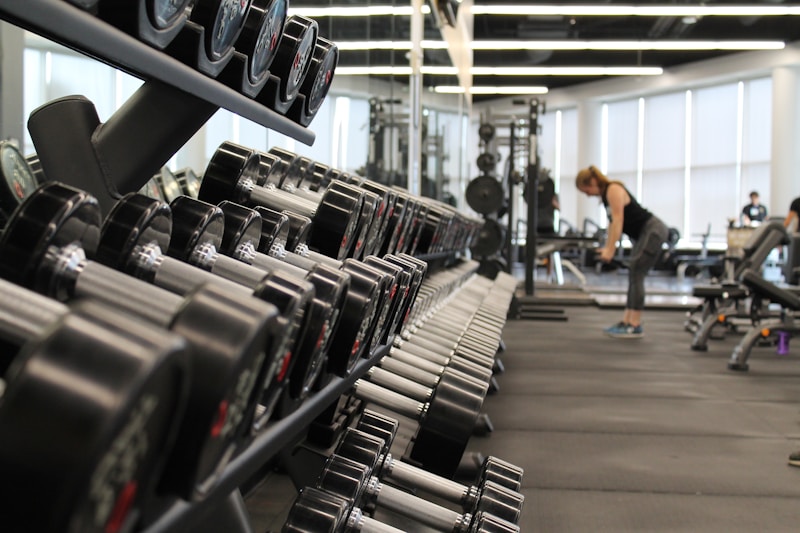
If you've ever walked past the weight section of a gym and felt a wave of intimidation, you're not alone. The clanking iron, the grunting, the seemingly complicated equipment — it can all feel like a world reserved for athletes and bodybuilders.
But here's the truth: strength training is one of the single most impactful things you can do for your long-term health, and it's far more accessible than most people realize.
Despite the overwhelming evidence supporting its benefits, only 30.2% of U.S. adults meet the federal guidelines for muscle-strengthening activity, according to the CDC's National Health Interview Survey. That means nearly 7 out of 10 adults are missing out on a form of exercise that can add years to their life — and life to their years.
Strength training, also called resistance training or weight training, involves exercises that make your muscles work against an external resistance. That resistance can come from dumbbells, barbells, resistance bands, machines, or simply your own bodyweight. The goal isn't necessarily to become a powerlifter. It's to build a body that's stronger, more resilient, and better equipped to handle whatever life throws at it.
A landmark meta-analysis published in the British Journal of Sports Medicine found that muscle-strengthening activities were associated with a 10–17% lower risk of all-cause mortality, cardiovascular disease, cancer, and diabetes. Meanwhile, research from Harvard Health Publishing shows that adults lose approximately 3–8% of muscle mass per decade after age 30 without strength training — a condition called sarcopenia that contributes to frailty, falls, and loss of independence.
The good news? It's never too late to start, and you don't need to spend hours in a gym to reap the benefits. This guide will walk you through everything you need to know to begin strength training safely, effectively, and confidently.
Understanding Strength Training: What It Is and Why It Matters
What Exactly Is Strength Training?
At its core, strength training is any exercise that causes your muscles to contract against an external resistance with the expectation of increases in strength, power, hypertrophy (muscle size), or endurance. The "external resistance" can be:
- Free weights — dumbbells, barbells, kettlebells
- Machines — cable machines, leg press, Smith machine
- Resistance bands — elastic bands of varying tension
- Your own bodyweight — push-ups, squats, lunges, planks
- Everyday objects — water jugs, backpacks filled with books, heavy bags
The key principle is progressive overload — gradually increasing the demand on your muscles over time by adding weight, increasing repetitions, adding sets, or reducing rest periods. This progressive challenge is what signals your body to adapt and grow stronger.
The Science-Backed Benefits
The benefits of strength training extend far beyond building bigger muscles. Here's what the research shows:
Physical Health:
- Increased bone density: Resistance training can increase bone mineral density by 1–3% over 6–12 months, significantly reducing fracture risk (National Osteoporosis Foundation).
- Boosted metabolism: Strength training can increase resting metabolic rate by approximately 7%, helping burn an additional 100+ calories per day even at rest (Journal of Applied Physiology).
- Reduced chronic disease risk: The 10–17% reduction in mortality risk mentioned earlier applies across cardiovascular disease, cancer, and type 2 diabetes.
- Improved joint flexibility and reduced pain from conditions like arthritis.
- Better weight management through increased lean muscle mass and metabolic rate.
Mental Health:
- Strength training can reduce symptoms of anxiety by up to 20% and depression by up to 33%, according to a meta-analysis in JAMA Psychiatry.
- Improved self-efficacy, body image, and cognitive function.
- Better sleep quality and stress management.
Functional Independence:
- Stronger muscles and bones mean better balance, reduced fall risk, and greater ability to perform daily activities independently — especially critical as we age.
Getting Started: Your First Steps Into Strength Training
Before You Begin
Before starting any new exercise program, consider these preliminary steps:
- Consult your healthcare provider if you have any pre-existing conditions, injuries, or haven't been physically active.
- Set realistic expectations. You're building a long-term practice, not preparing for a competition.
- Invest in basic gear. Comfortable athletic clothing, supportive shoes with flat soles, and a water bottle are all you need to start.
- Consider working with a certified personal trainer for at least a few sessions to learn proper form and develop a safe, personalized program.
Start with Bodyweight Exercises
Experts consistently recommend that beginners start with bodyweight exercises to learn proper movement patterns before adding external weight. This approach builds a foundation of stability, coordination, and body awareness that will serve you well when you progress to heavier loads.
Essential bodyweight movements to master:
- Squats — Stand with feet shoulder-width apart, lower your hips as if sitting into a chair, keeping your chest up and knees tracking over your toes. Rise back up by driving through your heels.
- Push-ups (or modified knee push-ups) — Start in a plank position, lower your chest to the floor by bending your elbows, then push back up. Keep your body in a straight line throughout.
- Lunges — Step forward with one leg, lowering your back knee toward the floor while keeping your front knee at roughly 90 degrees. Push back to the starting position.
- Planks — Hold a straight-arm or forearm plank position, engaging your core, for 20–60 seconds.
- Glute bridges — Lie on your back with knees bent, feet flat. Drive through your heels to lift your hips toward the ceiling, squeezing your glutes at the top.
How Much Weight Should You Start With?
When you're ready to add external resistance:
- Choose a weight you can lift with proper form for 12–15 repetitions. The last 2–3 reps should feel challenging but not impossible.
- Err on the side of too light rather than too heavy. You can always increase the weight; you can't un-injure yourself.
- For most beginners, this means starting with 5–15 lb dumbbells for upper body exercises and 15–30 lb for lower body exercises, though this varies widely based on individual starting points.
- It is completely normal to not be able to lift much weight when starting out. Everyone begins somewhere, and your starting point has no bearing on your potential.
Your Beginner Workout Template
Frequency: 2–3 sessions per week on non-consecutive days
Structure per session:
- 5–10 minutes warm-up (light cardio + dynamic stretching)
- 5–6 exercises targeting all major muscle groups
- 2–3 sets of 8–12 repetitions per exercise
- 60–90 seconds rest between sets
- 5 minutes cool-down and static stretching
Sample Full-Body Beginner Workout:
| Exercise | Sets | Reps | Target |
|---|---|---|---|
| Goblet Squat | 3 | 10-12 | Legs, Glutes |
| Dumbbell Bench Press | 3 | 10-12 | Chest, Shoulders, Triceps |
| Dumbbell Row | 3 | 10-12 each arm | Back, Biceps |
| Overhead Press | 3 | 8-10 | Shoulders, Triceps |
| Romanian Deadlift | 3 | 10-12 | Hamstrings, Glutes, Back |
| Plank | 3 | 30-45 sec | Core |
A beginner strength training workout should last approximately 30–45 minutes, not including warm-up and cool-down. Quality and focus matter more than duration.

The Essential Principles: Progressive Overload, Form, and Recovery
Progressive Overload: The Engine of Progress
Progressive overload is the fundamental principle that drives all strength gains. Without it, your body has no reason to adapt and grow stronger. Here's how to apply it:
- Add repetitions. If you're doing 3 sets of 8 reps, work up to 3 sets of 12 reps with the same weight.
- Add weight. Once you can comfortably complete your target reps, increase the load by 5–10%.
- Add sets. Progress from 2 sets to 3 sets of an exercise.
- Reduce rest periods. Shortening rest from 90 seconds to 60 seconds increases training intensity.
A practical approach is the "two-for-two rule": when you can complete 2 extra reps beyond your target for 2 consecutive sessions, it's time to increase the weight by 5–10%.
Keeping a training log is one of the most effective habits for ensuring progressive overload. Track every exercise, set, rep, and weight. This data removes guesswork and keeps you accountable to your own progress.
Proper Form: Your Non-Negotiable Foundation
Proper form is more important than the amount of weight lifted, especially for beginners. Good form:
- Prevents injuries. Approximately 460,000 weight training–related injuries are treated in U.S. emergency departments annually, with most being preventable through proper form and supervision.
- Maximizes muscle activation. Using a full range of motion on each exercise ensures you're working the target muscles completely.
- Builds correct movement patterns. Habits formed early tend to stick, so learning right from the start pays dividends for years.
Form essentials for every exercise:
- Maintain a neutral spine. Avoid excessive rounding or arching of your back.
- Use a full range of motion. Partial reps build partial results.
- Control the weight. If you can't lower the weight slowly and with control, it's too heavy.
- Breathe properly. Exhale during the exertion (lifting) phase and inhale during the lowering phase. Never hold your breath — this can dangerously spike blood pressure.
- Engage your core. A braced core protects your spine regardless of which exercise you're performing.
Recovery: Where the Real Growth Happens
Contrary to popular belief, you don't get stronger during your workout. You get stronger during recovery. When you lift weights, you create microscopic tears in your muscle fibers. During rest, your body repairs these tears and builds the fibers back stronger and (eventually) larger.
Recovery essentials:
- Rest between sessions. Muscles need 48–72 hours of recovery between training sessions targeting the same muscle group. This is why a full-body program done 3 days per week (e.g., Monday/Wednesday/Friday) works so well for beginners.
- Prioritize sleep. Aim for 7–9 hours per night. Growth hormone, which is critical for muscle repair, is primarily released during deep sleep.
- Fuel your recovery. Consume adequate protein — 0.7–1 gram per pound of bodyweight daily — to provide the building blocks for muscle repair and growth.
- Stay hydrated. Dehydration impairs performance and recovery.
- Listen to your body. Some muscle soreness after training (especially in the beginning) is normal. Sharp pain, joint pain, or soreness that doesn't improve within 72 hours warrants attention.
Compound vs. Isolation: Choosing the Right Exercises
Focus on Compound Movements
For beginners, compound movements should form the backbone of your training program. These are exercises that work multiple muscle groups simultaneously and are the most time-efficient way to build overall strength.
The "Big Five" compound movements:
- Squat — Works quads, glutes, hamstrings, core
- Deadlift — Works hamstrings, glutes, back, core, grip
- Bench Press — Works chest, shoulders, triceps
- Row (barbell or dumbbell) — Works back, biceps, rear shoulders
- Overhead Press — Works shoulders, triceps, upper chest, core
These five movements, performed with progressively heavier weights, can build a remarkably strong and balanced physique. They should be prioritized before isolation exercises (which target single muscle groups, like bicep curls or leg extensions).
Free Weights vs. Machines
Both have their place, especially for beginners:
Free weights (dumbbells, barbells):
- Build stabilizer muscles and coordination
- Allow natural movement patterns
- More versatile and transferable to real-life movements
- Require more technique to use safely
Machines:
- Guide your movement path, reducing injury risk
- Easier to learn and use with proper form
- Allow you to safely train close to failure without a spotter
- Good for isolating specific muscles
For beginners: Starting with a combination of both is often ideal. Use machines to build initial confidence and strength, then progressively incorporate more free weight movements as your form and stability improve.
Training All Major Muscle Groups
A balanced program should include exercises for all major muscle groups: legs, hips, back, chest, shoulders, arms, and core. Neglecting any area creates imbalances that can lead to poor posture and increased injury risk.

Common Mistakes to Avoid
1. Lifting Too Heavy, Too Soon
The mistake: Ego-loading the bar with more weight than you can handle with proper form.
Why it's dangerous: This is the fastest path to injury and the leading cause of preventable weight room accidents. Poor form under heavy load puts excessive stress on joints, ligaments, and tendons.
The fix: Start lighter than you think you need to. Master the movement pattern first, then add weight gradually. There's no rush.
2. Skipping the Warm-Up
The mistake: Walking into the gym and immediately loading up your working weight.
Why it matters: Cold muscles are more prone to strains and tears. A proper warm-up increases blood flow, raises muscle temperature, and prepares your nervous system for heavy work.
The fix: Spend 5–10 minutes on light cardio (walking, cycling, rowing) followed by dynamic stretching (leg swings, arm circles, hip circles) before each session. Then perform 1–2 light warm-up sets of your first exercise.
3. Neglecting Recovery
The mistake: Training the same muscles day after day, or skimping on sleep and nutrition.
Why it backfires: Without adequate recovery, your muscles can't repair and grow. Overtraining leads to plateaus, chronic fatigue, and increased injury risk.
The fix: Respect the 48–72 hour recovery window. Prioritize sleep and protein intake. Remember: rest days are growth days.
4. Program Hopping
The mistake: Switching programs every week or two because you saw something new on social media.
Why it fails: Strength gains require consistency. No program works if you don't stick with it long enough to see results.
The fix: Choose a beginner program and commit to it for at least 8–12 weeks before evaluating. The best program is the one you follow consistently.
5. Ignoring Half the Body
The mistake: Only training "mirror muscles" (chest, biceps, abs) while neglecting the back, legs, and posterior chain.
Why it matters: Muscular imbalances lead to poor posture, chronic pain, and increased injury risk. Your body works as a connected system.
The fix: Follow a balanced full-body program that includes exercises for all major muscle groups. Never skip leg day.
6. Holding Your Breath
The mistake: Holding your breath during lifts, especially during heavy exertion.
Why it's risky: This dramatically increases blood pressure and can cause dizziness or fainting.
The fix: Exhale during the exertion phase (pushing or pulling the weight) and inhale during the lowering phase. Breathing should be rhythmic and controlled.
Nutrition and Supplements: Fueling Your Strength Journey
What to Eat Before and After Training
Pre-workout (1–2 hours before):
- A balanced meal with complex carbohydrates and moderate protein
- Examples: oatmeal with banana and peanut butter, whole grain toast with eggs, Greek yogurt with berries
- The goal is sustained energy without feeling heavy
Post-workout (within 1–2 hours after):
- A meal combining protein and carbohydrates to support recovery
- Examples: chicken with rice and vegetables, protein smoothie with fruit, salmon with sweet potato
- Aim for 20–40 grams of protein in your post-workout meal
Do You Need Supplements or Protein Shakes?
The short answer: probably not, especially as a beginner. Whole foods should always be your primary source of nutrition. However, supplements can be convenient in certain situations:
- Protein powder can help if you struggle to meet your daily protein target (0.7–1g per pound of bodyweight) through food alone. It's a convenience tool, not a magic formula.
- Creatine monohydrate (3–5g daily) is the most extensively researched sports supplement and has been shown to modestly improve strength and muscle gains. It's safe for long-term use.
- Most other supplements marketed to beginners are unnecessary. Save your money and invest in quality food and sleep instead.
Frequently Asked Questions
How often should beginners do strength training?
The CDC and WHO recommend muscle-strengthening activities at least 2 days per week. For beginners, 2–3 sessions per week on non-consecutive days is the sweet spot. Research shows that even 1 session per week provides significant health benefits, though 2–3 sessions is optimal for building strength and muscle.
Will strength training make me bulky?
This is one of the most persistent myths in fitness. Building significant muscle bulk requires years of dedicated heavy training, a caloric surplus, and — in many cases — specific genetic predispositions. For most people, especially women (who have significantly lower testosterone levels), strength training produces a lean, toned, athletic appearance rather than a bulky one. The "bulky" physique you might fear requires extremely deliberate effort to achieve.
What is the difference between strength training and cardio, and do I need both?
Cardio (running, cycling, swimming) primarily trains your cardiovascular system and burns calories during the activity. Strength training builds muscle, strengthens bones, and boosts your resting metabolic rate so you burn more calories even at rest. Both are important for overall health. The Physical Activity Guidelines for Americans recommend both 150 minutes of moderate aerobic activity AND 2+ days of muscle-strengthening activity per week.
Can I do strength training at home without equipment?
Absolutely. Bodyweight exercises like squats, push-ups, lunges, planks, glute bridges, and step-ups provide effective resistance training. As you progress, you can add resistance bands (affordable and versatile), a set of adjustable dumbbells, or even filled water jugs and heavy backpacks. Many people build impressive strength and physiques entirely from home workouts.
Is strength training safe for older adults or people with joint problems?
Yes. Research consistently shows that strength training is safe and highly beneficial for older adults when performed with proper form and appropriate progression. It combats sarcopenia (age-related muscle loss), improves bone density, reduces fall risk, and enhances functional independence. For those with joint issues, modifications can be made — lighter weights, machine-based exercises, and reduced range of motion when needed. Always consult a healthcare provider and consider working with a qualified trainer.
Should I feel sore after every workout?
No. Soreness is not a reliable indicator of a good workout. Delayed onset muscle soreness (DOMS) is common when you're new to training or try new exercises, but it diminishes as your body adapts. Some experienced lifters rarely get sore yet continue to make excellent progress. Judge your workouts by whether you're progressively lifting more weight or doing more reps — not by how sore you feel.
How long does it take to see results from strength training?
Beginners can expect to notice strength gains within 2–4 weeks due to neuromuscular adaptations — your brain gets better at recruiting muscle fibers. Visible muscle growth typically appears at 8–12 weeks with consistent training and proper nutrition. Patience is important. Trust the process and track your numbers rather than obsessing over the mirror.
Can strength training help with weight loss?
Yes, and through multiple mechanisms. Strength training can increase your resting metabolic rate by approximately 7%, meaning you burn an additional 100+ calories per day even when doing nothing. It also preserves lean muscle mass during a calorie deficit (unlike cardio alone, which can cause muscle loss), improves insulin sensitivity, and the afterburn effect (excess post-exercise oxygen consumption) means you continue burning calories for hours after training.
Should I stretch before or after strength training?
Before: Perform dynamic stretching (controlled movements like leg swings, arm circles, walking lunges) as part of your warm-up. Avoid prolonged static stretching before training, as research suggests it can temporarily reduce strength output.
After: Static stretching (holding positions for 20–30 seconds) is ideal for your cool-down. It helps maintain flexibility and may reduce post-workout stiffness.
Conclusion: Your Strength Journey Starts Now
Strength training isn't just about building muscle — it's about building a more resilient, capable, and healthier version of yourself. The evidence is overwhelming: from a 10–17% reduced risk of premature death to improved mental health, stronger bones, better metabolic function, and enhanced quality of life at every age, resistance training is one of the highest-return investments you can make in your health.
The barrier to entry is lower than you think. You don't need a fancy gym, expensive equipment, or hours of free time. You need consistency, patience, and a willingness to start where you are.
Your action plan for this week:
- Choose 3 days (e.g., Monday, Wednesday, Friday) for your training sessions.
- Start with the beginner workout template in this article, using bodyweight or light dumbbells.
- Get a notebook or app to log your exercises, sets, reps, and weights.
- Watch form videos for each exercise from reputable sources (NSCA, ACE, or certified trainers).
- Set a protein target of 0.7–1g per pound of bodyweight and plan your meals accordingly.
- Commit to 8 weeks before evaluating your progress. Trust the process.
Remember: every experienced lifter in the gym started exactly where you are now. The only bad workout is the one you didn't do. Start light, focus on form, progress gradually, and enjoy the journey.
Your future self will thank you.
References
- Strength training: Get stronger, leaner, healthier — Mayo Clinic's comprehensive guide covering benefits, techniques, and safety guidelines for strength training.
- Strength Training Builds More Than Muscles — Harvard Health Publishing article on the wide-ranging health benefits of resistance training beyond muscle building.
- Physical Activity Guidelines for Americans — U.S. Department of Health & Human Services official physical activity guidelines including strength training recommendations.
- CDC - How Much Physical Activity Do Adults Need? — CDC guidelines recommending muscle-strengthening activities at least 2 days per week for all major muscle groups.
- ACSM Guidelines for Resistance Training — American College of Sports Medicine evidence-based guidelines for resistance training programming and progression.
- Muscle-strengthening activities and risk of mortality — British Journal of Sports Medicine systematic review and meta-analysis on muscle-strengthening activities and reduced mortality risk.
- National Strength and Conditioning Association (NSCA) - Basics of Strength Training — Educational resources from the NSCA on safe and effective strength training principles.
- Resistance Training for Health - ACE Fitness — American Council on Exercise resources on resistance training fundamentals and beginner programs.
This article is for informational purposes only and should not replace professional medical advice. Consult with a healthcare provider before beginning any new exercise program, especially if you have pre-existing health conditions or injuries.